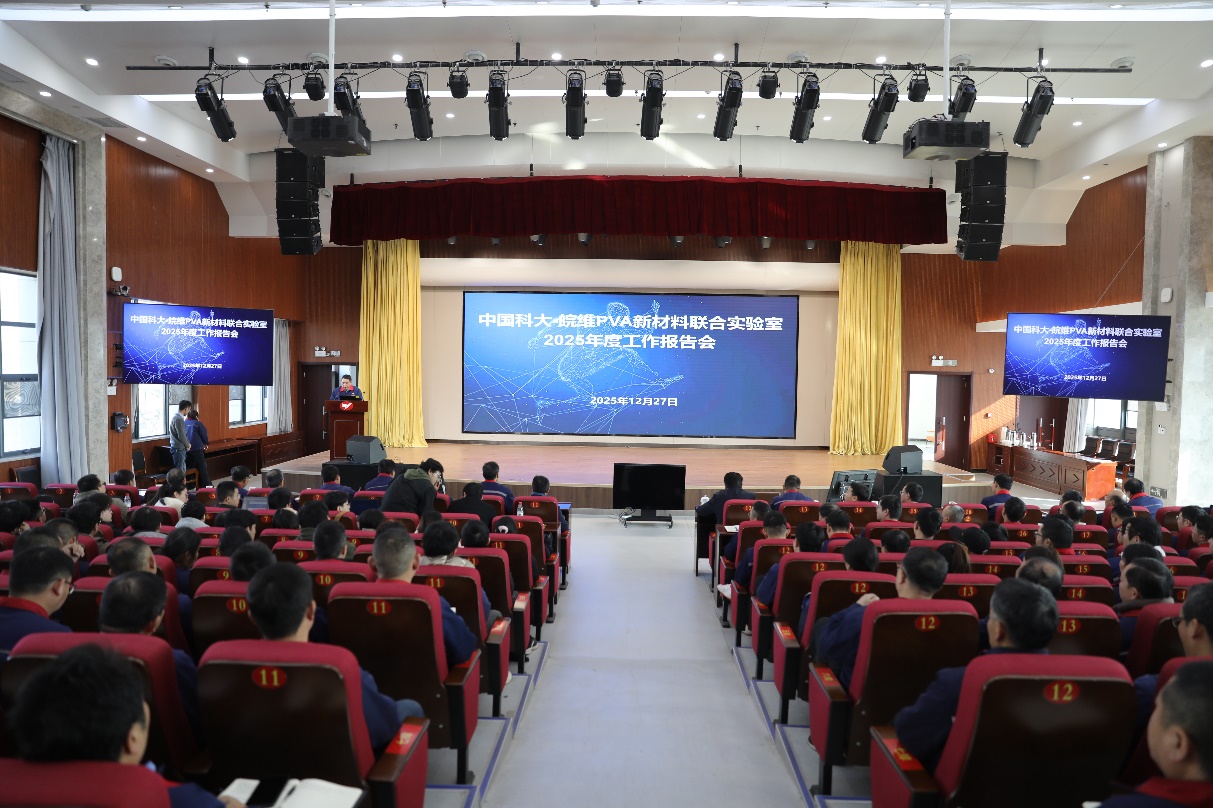
On December 27, 2025, the “Milestone” Work Report Meeting of the University of Science and Technology of China–Wanwei Group Joint Laboratory for PVA New Materials was successfully held at the R&D Center of Wanwei Group. Several graduate students from the Anhui Provincial Engineering Research Center for Advanced Functional Polymer Films, who are part of the pilot university-enterprise joint cultivation program, served as key research members and delivered focused reports on this important academic platform for university-enterprise collaboration. Their presentations vividly demonstrated how graduate students are addressing national industrial needs while promoting the deep integration of Party building and scientific research.
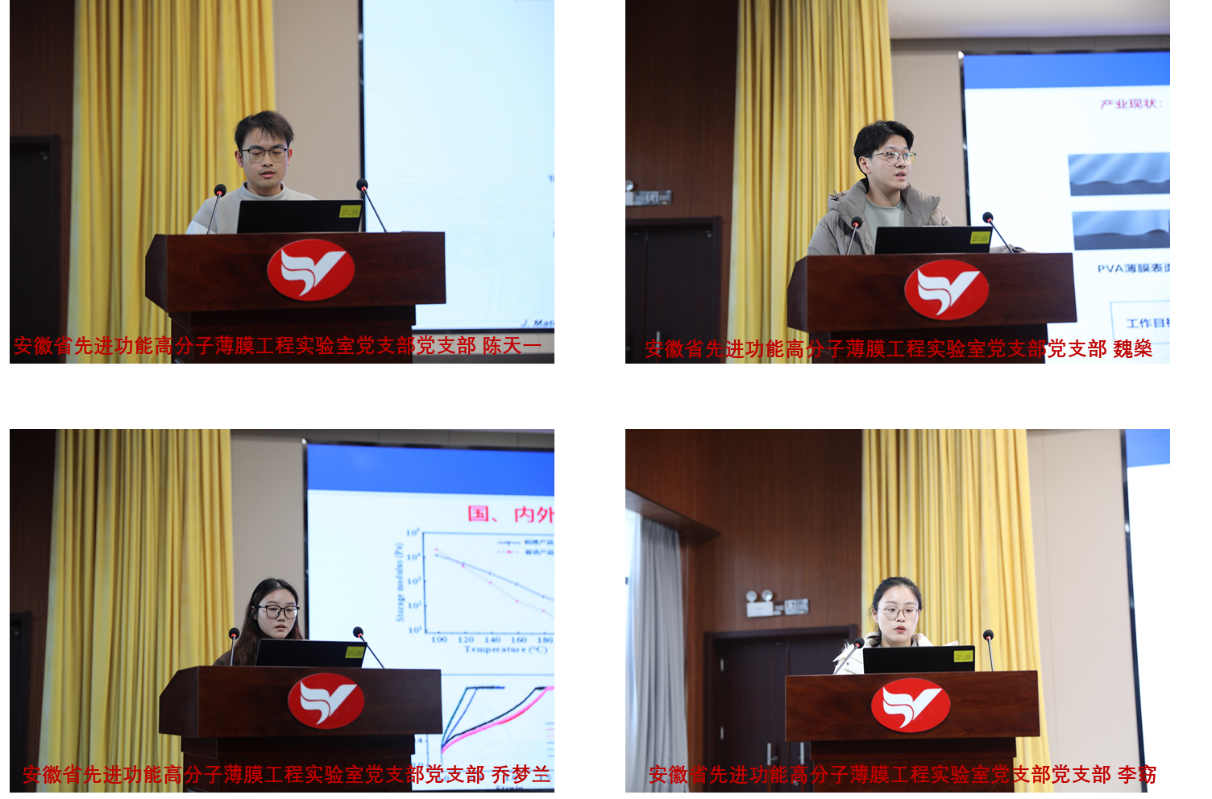
The participating graduate students focused closely on key material fields such as PVA optical films, polarizers, PVB resins, electronic ceramic binders, and polyvinyl alcohol fibers, systematically presenting a series of cutting-edge research advances closely aligned with industrial needs. In the field of PVA optical films, a digital twin model of the film-processing process was constructed, enabling dynamic simulation of production parameters and process optimization. In the reliability study of polarizers, failure mechanism analysis under multiple environmental conditions was carried out, providing a theoretical basis for product lifetime evaluation. In the development of PVB resins, research focused on the relationship between the structure and performance of automotive-grade films, promoting the design and application validation of new material systems. In the field of electronic ceramics, studies were conducted on the functional modification of binders, contributing to the realization of independent and controllable materials for related industries. The graduate students in the university-enterprise joint cultivation program closely integrated fundamental laboratory research with practical industrial challenges. They not only focused on improving the performance of the materials themselves, but also placed strong emphasis on process optimization and engineering translation. Supported by real production-line data, they carried out systematic studies including airflow-field simulation, drying kinetics analysis, and investigation of iodine-staining mechanisms. From theoretical modeling and mechanism elucidation to process iteration, they formed a complete innovation chain of “fundamental research–technology development–engineering application,” fully demonstrating their systematic research capability from identifying scientific problems to implementing industrial technologies.
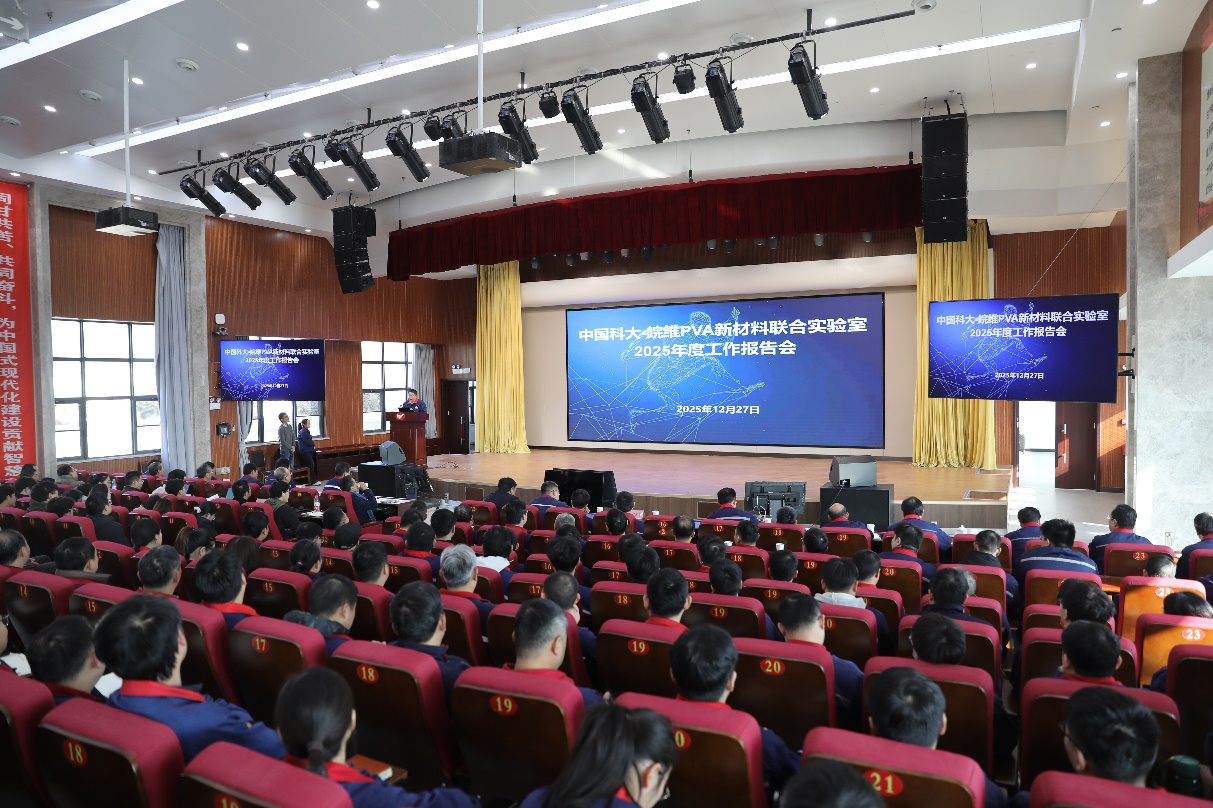
Going forward, the Anhui Provincial Engineering Research Center for Advanced Functional Polymer Films will continue to strengthen graduate student cultivation and organizational development. It will guide more graduate students to focus on practical industrial needs and key core technologies, continuously contributing their knowledge and efforts through the university-enterprise joint innovation platform. These efforts will inject youthful momentum into the independent innovation and industrial upgrading of polymer film materials.