Beginning on July 6, the laboratory welcomed its incoming class of 2026. To help the new students quickly adapt to the research environment, develop safety awareness, and acquire basic experimental skills, the laboratory conducted a week-long systematic training program in Conference Room A519. The program covered laboratory rules and regulations, safety education, instrument operation, fundamental knowledge, and other modules, laying a solid foundation for the students’ forthcoming research work.
I. Laboratory Rules and Safety Training: Fastening the “First Button” of Scientific Research
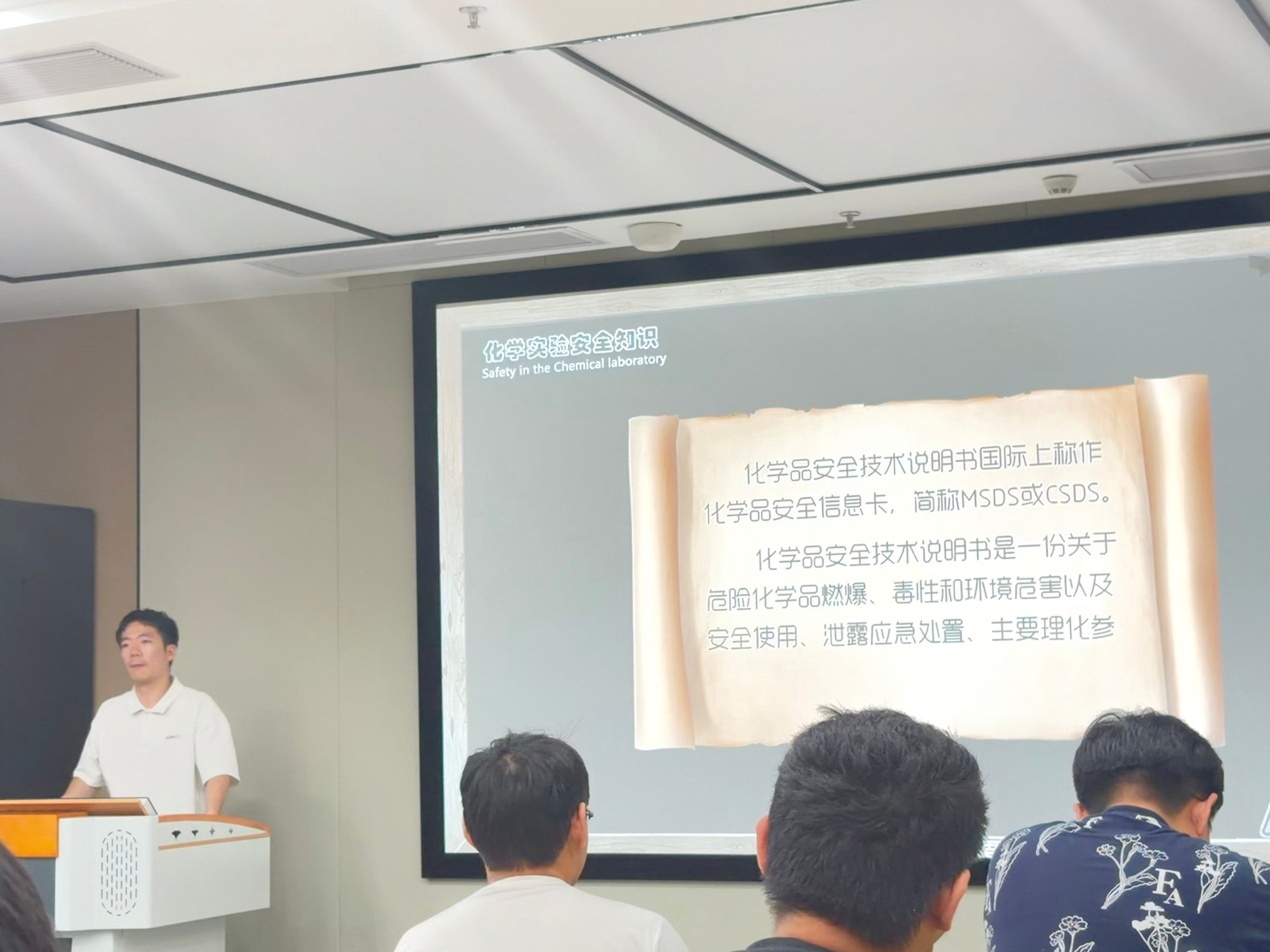
The training program officially began on July 6. Li Wenyuan systematically introduced the laboratory’s rules and regulations to the new students, helping them understand its daily operating procedures, attendance requirements, safety rules, and other essential guidelines, thereby preparing them for a smooth transition into research life. That afternoon, senior student Ding Huabo delivered a special lecture titled “Chemical Laboratory Safety.” He provided a systematic explanation covering the interpretation of Material Safety Data Sheets and Chemical Safety Data Sheets (MSDS/CSDS), the classification and storage of hazardous chemicals, and the identification and prevention of common laboratory safety hazards. During the training, the new students also watched safety accident warning videos and gained a deeper understanding of the importance of safe operating procedures through real-life cases. Ding Huabo then conducted a practical demonstration of the tablet press, giving the students an intuitive operating experience to complement their theoretical learning.
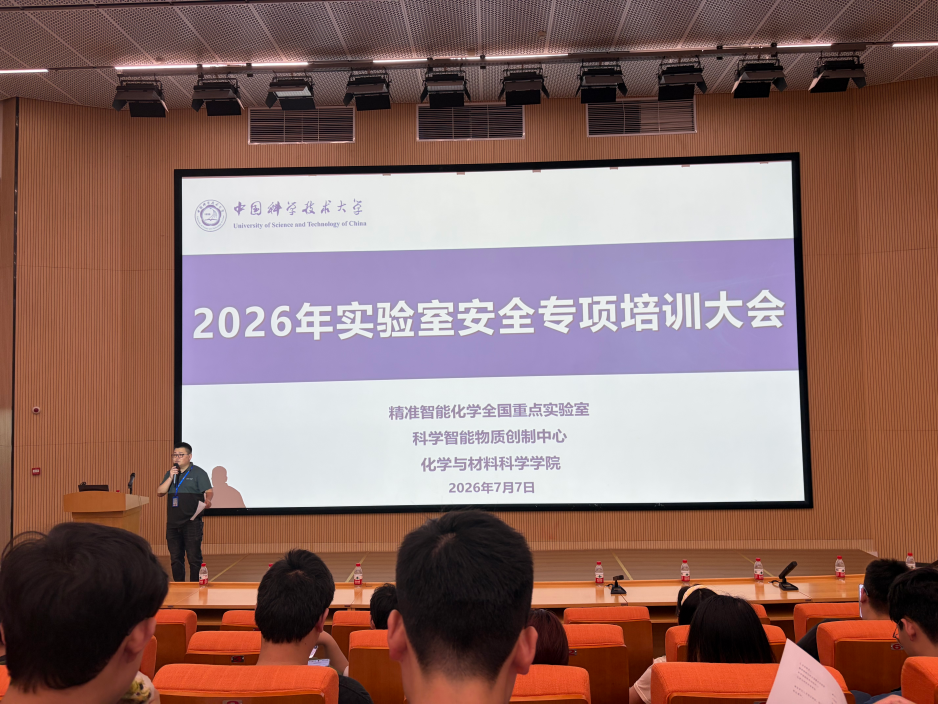
On the morning of July 7, the new students attended the 2026 Special Laboratory Safety Training Conference, jointly organized by the State Key Laboratory of Precision and Intelligent Chemistry, the Center for Scientific Intelligence in Matter Creation, and the School of Chemistry and Materials Science. Centered on the principle that “no safety issue is too small,” the conference reinforced the students’ awareness of laboratory safety from an institutional and regulatory perspective.
II. Fundamental Knowledge Training: Strengthening the Theoretical Foundation
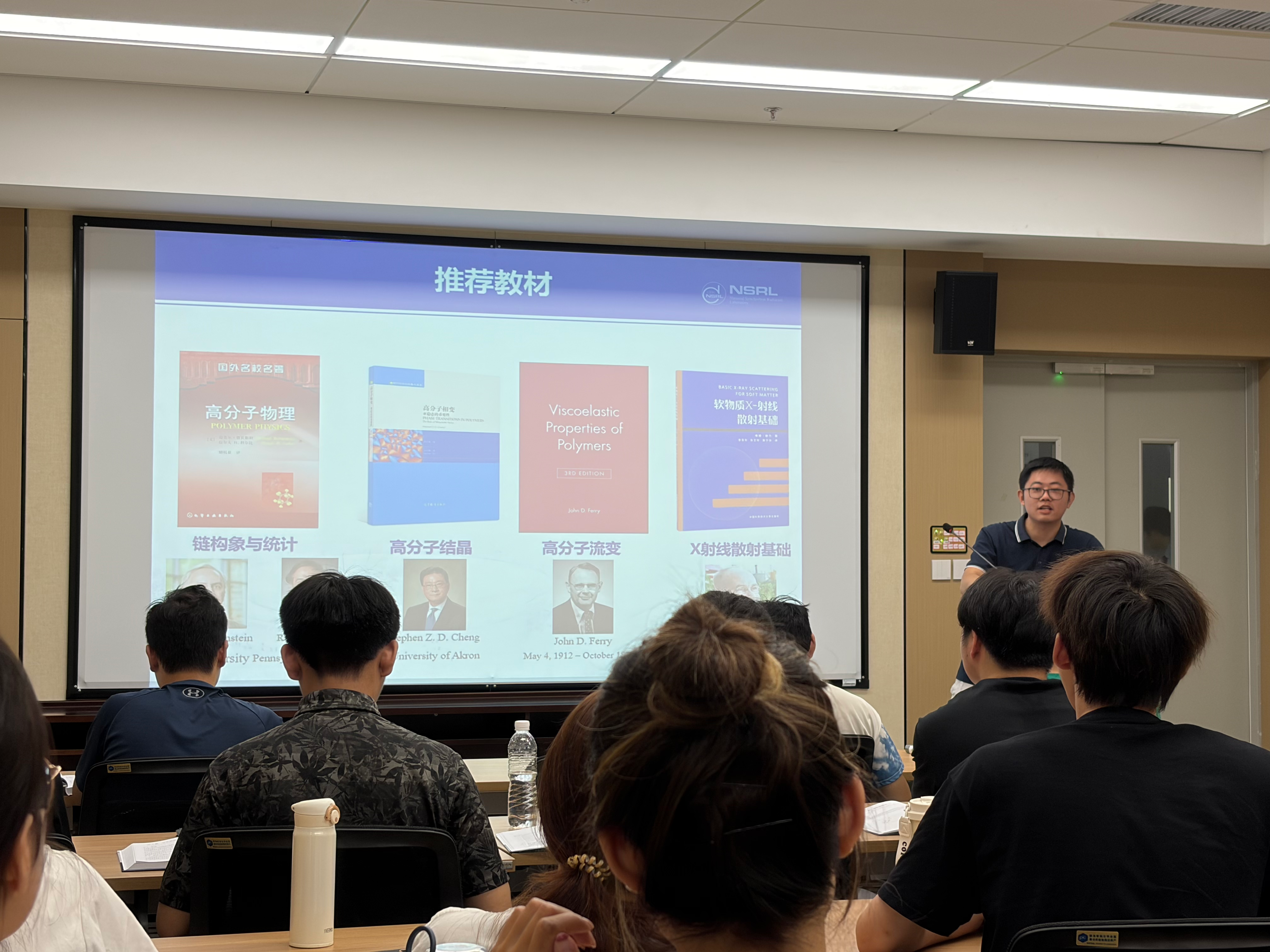
On the morning of July 8, Chen Wei delivered a fundamental knowledge training course for the new students. Starting with the core concepts of polymer physics and drawing on recommended textbooks—including Polymer Physics, Polymer Crystallization, Viscoelastic Properties of Polymers, and Fundamentals of X-ray Scattering—Chen helped the students develop a structured understanding of the knowledge framework in the field of polymers.
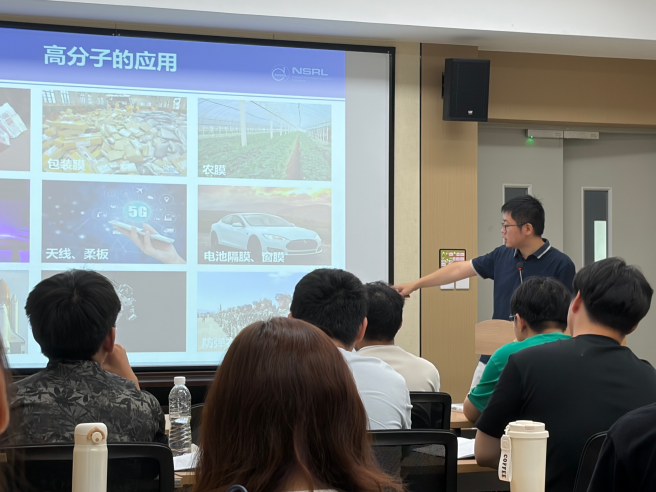
During the session on the applications of polymers, Chen used a wide range of examples to illustrate the extensive applications of polymer materials in everyday life and cutting-edge technologies, including packaging films, agricultural films, flexible antenna circuit boards, battery separator membranes, window films, and ballistic-resistant materials. These examples stimulated the new students’ interest in and reflections on potential research directions. Several video courses on polymer physics were also arranged during the training period to help the students further consolidate their theoretical knowledge.
III. Instrument and Equipment Operation Training: From Theory to Practice
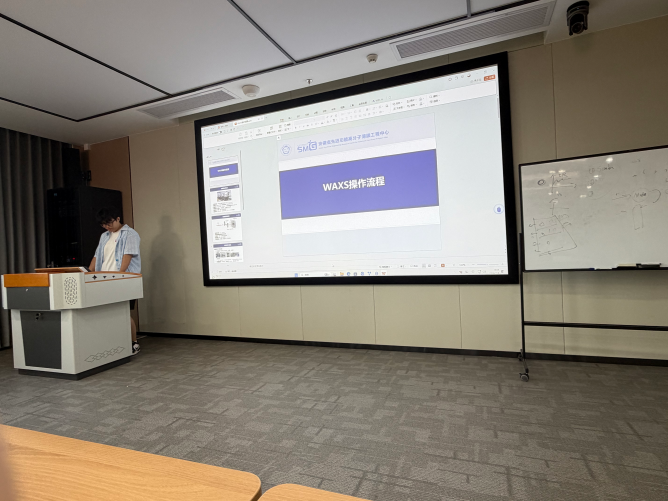
On July 9, senior student Li Wenyi introduced the operating procedures for WAXS (wide-angle X-ray scattering) to the new students. Covering both the operating principles of the instrument and the data acquisition process, the session helped the students develop a systematic understanding of this characterization technique.
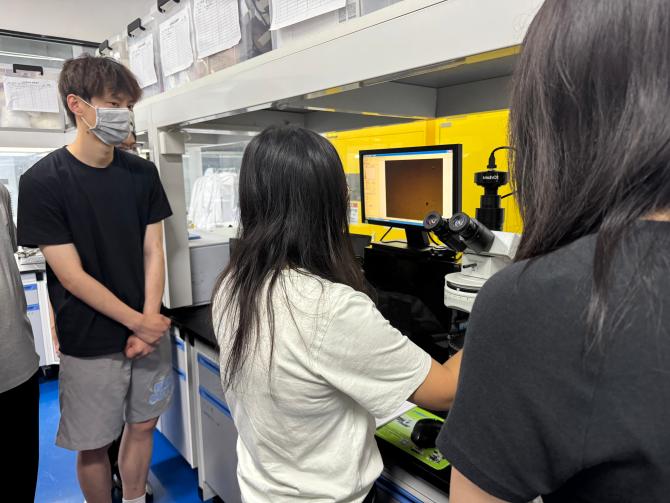
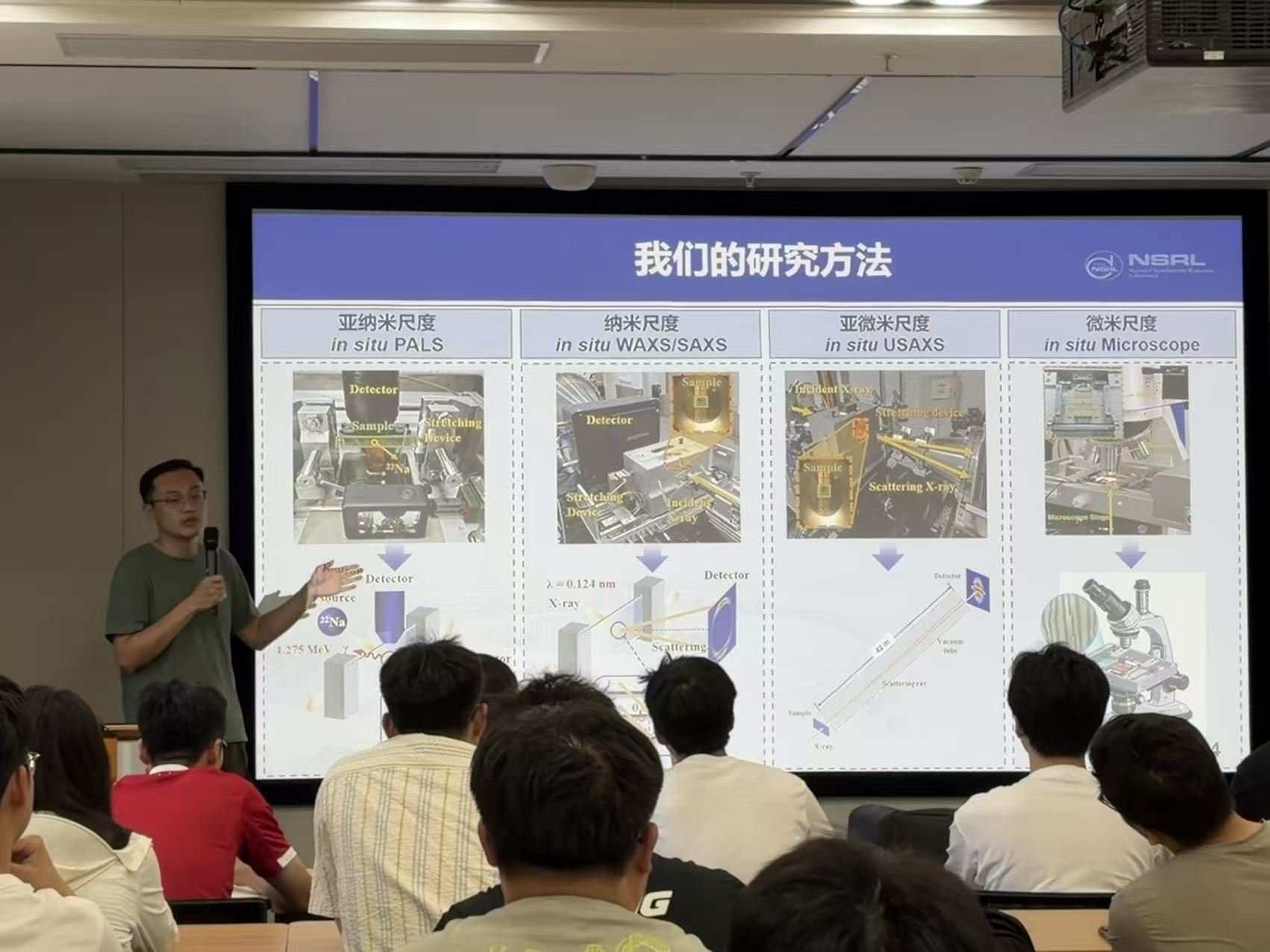
On July 10, senior student Sheng Shizhuo introduced the key operating procedures for the high-temperature biaxial stretching equipment; senior student Wang Xu explained the experimental methods used with the multilayer film apparatus; Engineer Wang Kun demonstrated the use of the polarizing microscope; and Engineer Zhang Youwei shared practical experience in operating the multilayer casting machine. From different perspectives, the four instructors demonstrated the functions and standardized operating procedures of the laboratory’s core experimental and characterization equipment, giving the new students a comprehensive understanding of the technical methods used in different research areas.
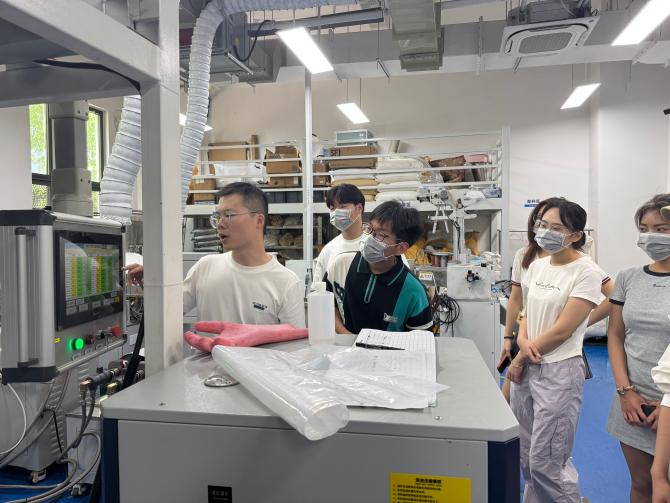
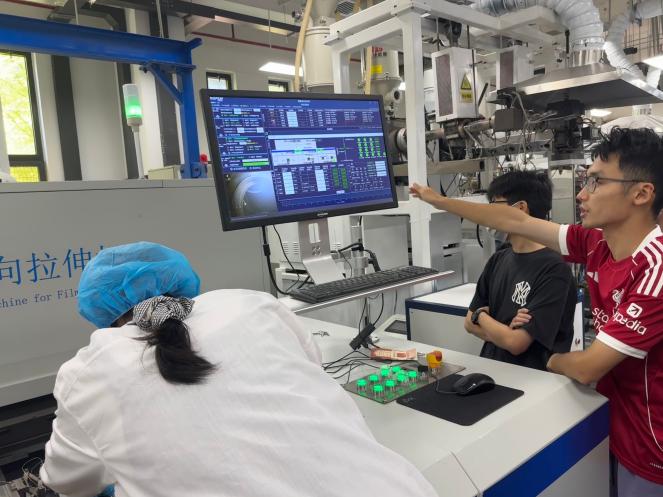
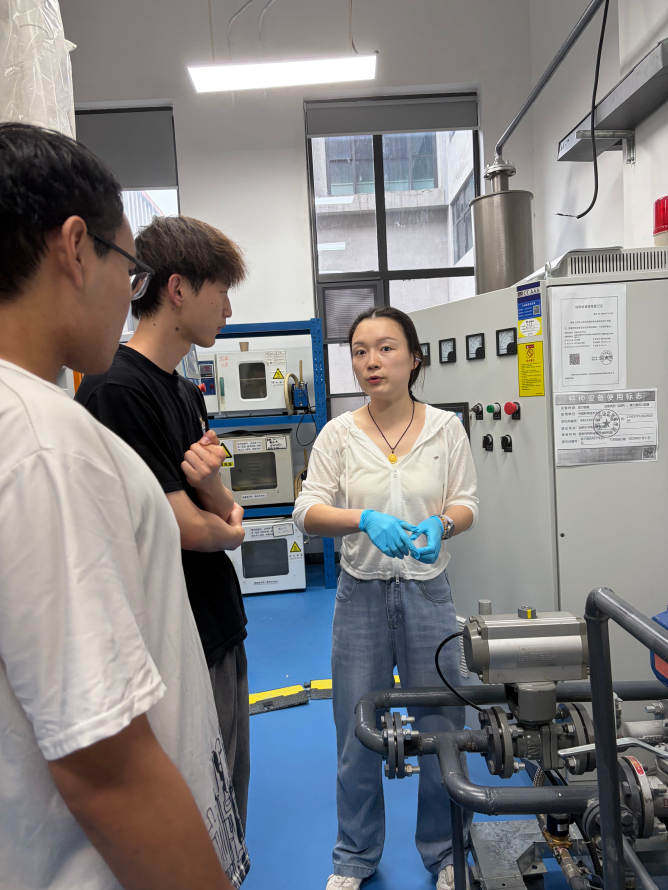
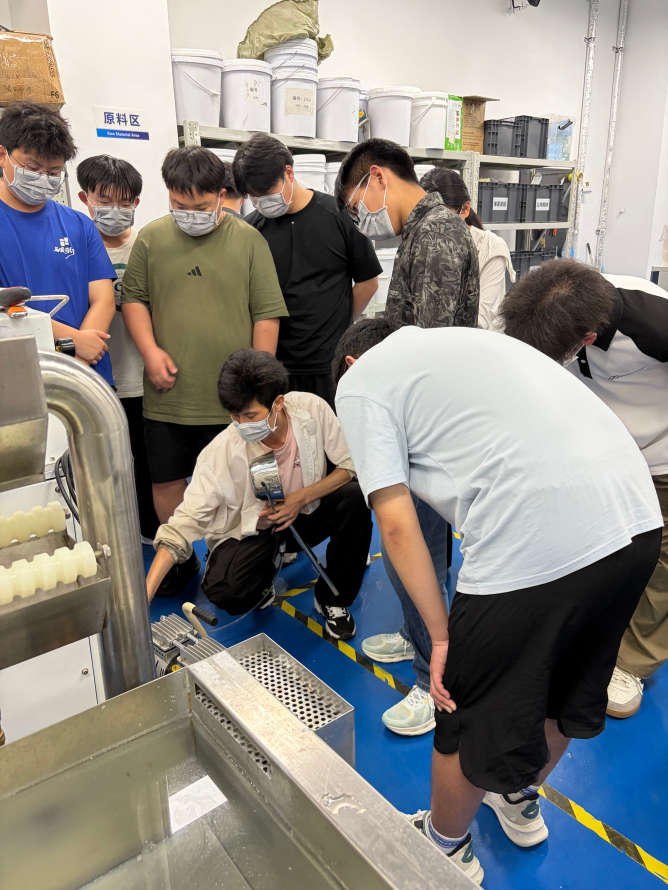
On the afternoon of July 8, the new students also visited the laboratory facilities. Jiao Ranran demonstrated the operation of the glass autoclave, while Engineer Li Zheng explained the key procedures for operating the pelletizing and film-casting equipment. During the visit, the students observed the raw-material area and experimental equipment at close range, creating an active and engaging learning atmosphere.
IV. Group Meetings and Academic Exchange: Becoming Part of the Research Team
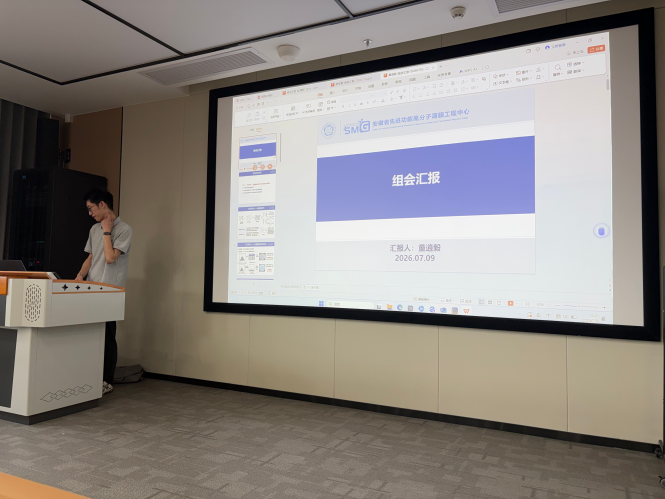
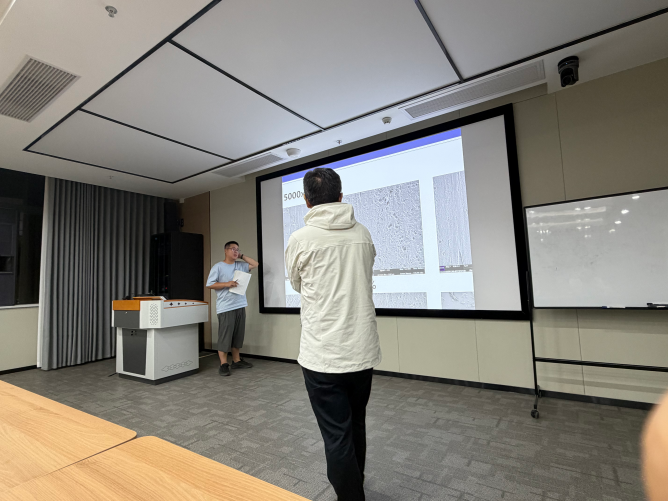
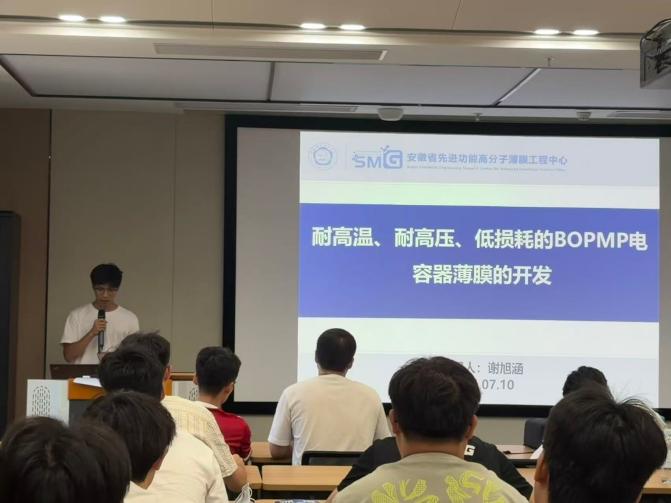
During the training week, the research groups also organized a number of group meetings and academic exchange activities. On July 9, senior student Jia Yifan delivered a group meeting presentation, introducing the new students to the research progress of the group. On the evening of July 10, the Microporous Membrane Group, PVB Group, and NMR Group held separate group meetings. By participating in these academic discussions, the new students gained an initial understanding of the research directions and academic atmosphere of the different groups. On the morning of July 11, the Composite Materials Group held a thematic group meeting, further deepening the students’ understanding of the laboratory’s overall research structure.
V. Conclusion
The first week of orientation training featured a rich and tightly organized program. It emphasized the cultivation of safety awareness while also strengthening theoretical knowledge and improving practical experimental skills. Through systematic training covering laboratory rules, safety education, instrument operation, and group meeting exchanges, the new students not only learned the basic standards and operating skills required to work in the laboratory, but also gained an initial understanding of the research directions of the different groups. This has fully prepared them for the successful commencement of their future research work.
A new semester marks a new beginning. We look forward to seeing the incoming class of 2026 remain grounded, strive for new heights, and write their own chapters of scientific discovery as members of the laboratory community.