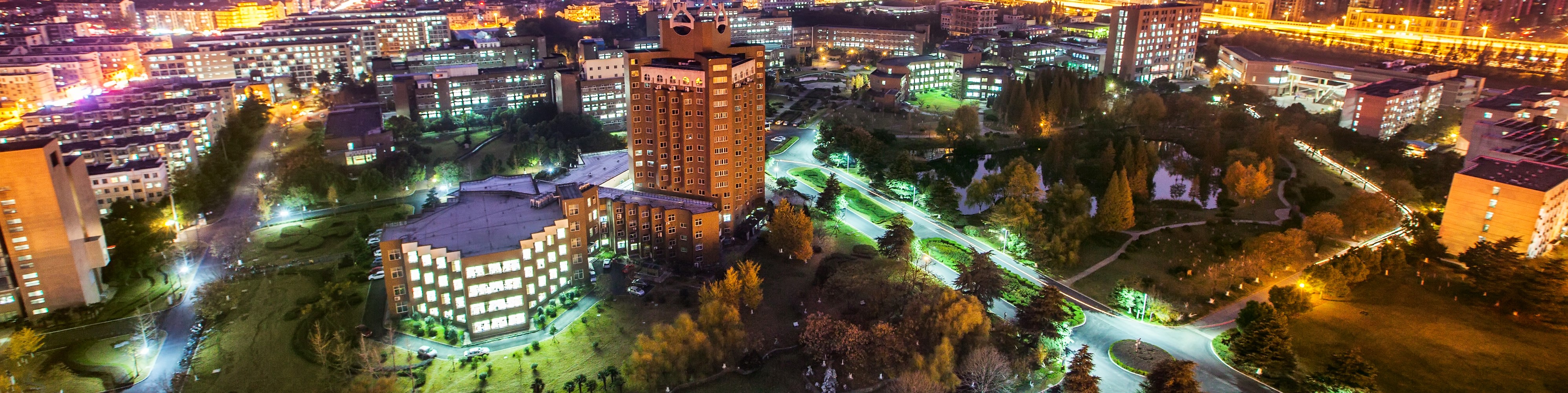
To fulfill the fundamental task of fostering virtue through education, promote the integrated development of education, science and technology, and talent cultivation, and guide graduate students to understand their role in the times, clarify their research directions, and develop aspirations to contribute to the country, the Anhui Provincial Engineering Research Center for Advanced Functional Polymer Films held the first ideological and political education class of the new semester at 7:00 p.m. on September 23 in Lecture Hall B101, Building 2, at the High-Tech Campus. The class was delivered by Professor Liangbin Li, with faculty members and students of the Center actively participating.
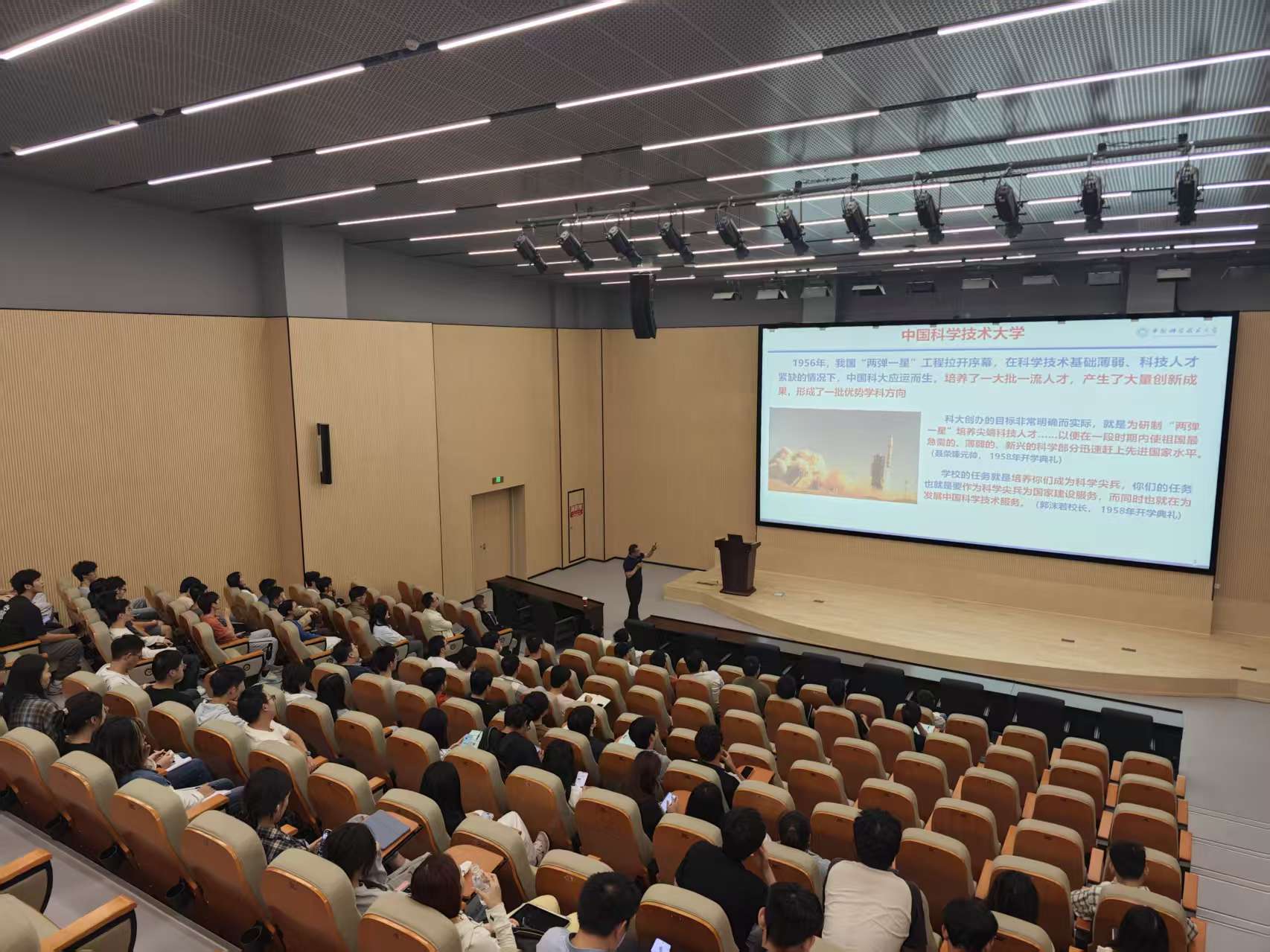
The class was themed “Shouldering the Mission of High-Level Self-Reliance and Self-Strengthening in Science and Technology and Building a Model Demonstration Zone for the Integrated Development of Education, Science and Technology, and Talent.” It focused on three core questions: how to understand the positioning of the University of Science and Technology of China, how to plan research and study during graduate education, and how to realize personal value after graduation. At the beginning of the class, Professor Liangbin Li reviewed the history of USTC and traced the University's founding mission in support of China's “Two Bombs, One Satellite” program, revisiting its enduring tradition of “serving the country through science and education and pursuing excellence.” He noted that since its establishment, USTC has undertaken the important mission of cultivating top-level scientific and technological talent for the country. The University motto, “Being Both Red and Expert, Integrating Theory with Practice,” has guided generations of USTC scholars to devote themselves to fundamental research and tackle key technological challenges. Its consistently strong performance in the Nature Index, its educational system integrating science and education, and its talent-development model connecting academia, research, and industry provide a solid foundation for contributing to high-level self-reliance and self-strengthening in science and technology, while also offering broad opportunities for graduate students to develop their capabilities.
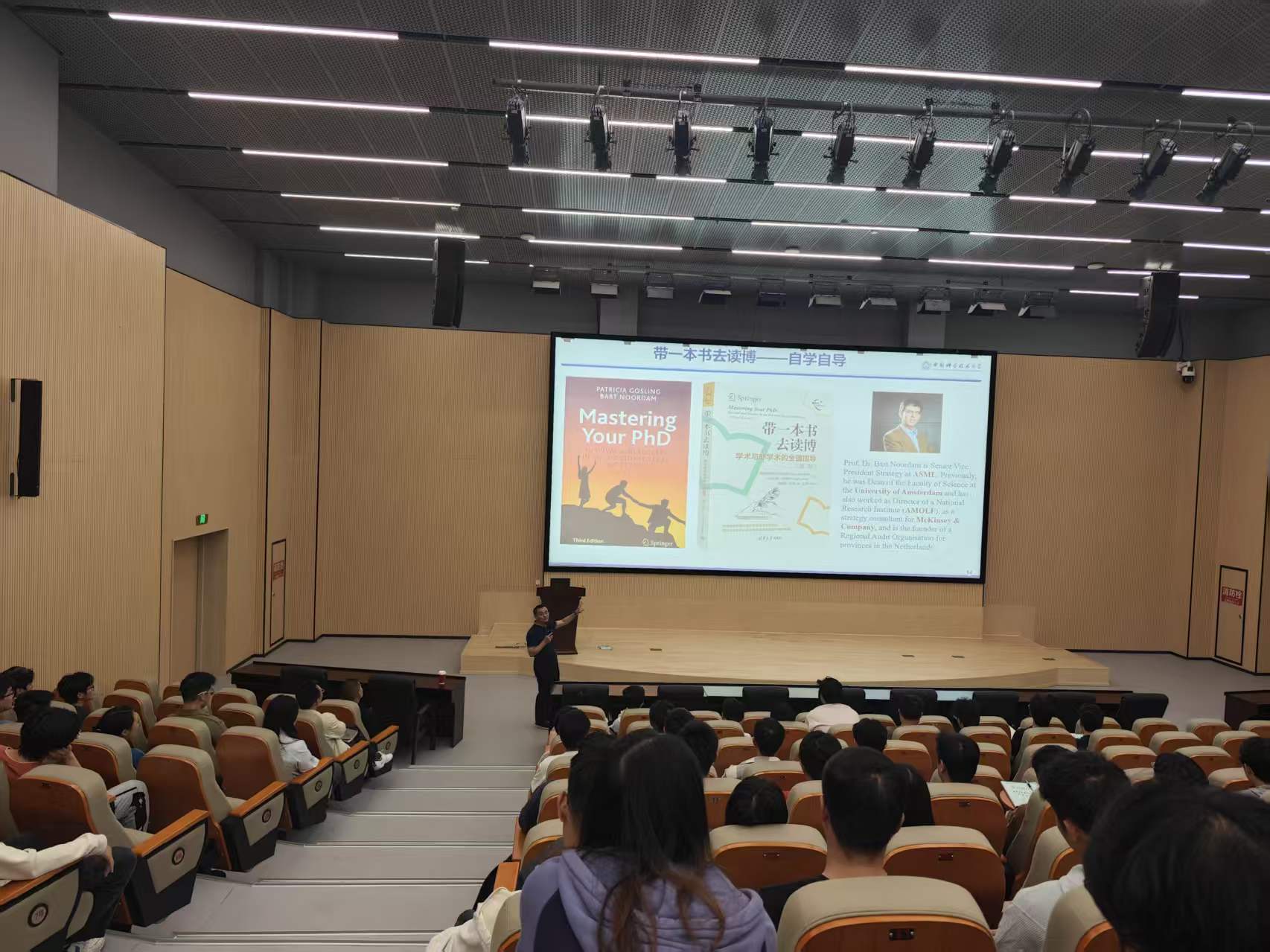
Focusing on the “Three Questions for New Students”—why they chose USTC, how they should complete their degree studies, and how they can realize their value after graduation—Professor Liangbin Li engaged in an in-depth discussion with the students. Regarding graduate study and research planning, he drew on the book Take a Book with You for Your PhD and provided practical guidance on multiple aspects of graduate research life, including choosing a research group, setting research goals, managing time, developing scientific thinking, designing experiments, conducting monthly reviews, collaborating within teams, participating in academic exchanges, and preparing and defending academic papers. He encouraged students to cultivate habits of self-directed learning and independent research, face setbacks and difficulties in scientific research with the right mindset, and continuously strengthen their research capabilities.
When discussing how young students can realize their personal value, Professor Liangbin Li referred to China's strategic efforts to develop new quality productive forces and introduced several key fields of scientific and technological development, including integrated circuits, advanced materials, quantum technology, and embodied intelligence. He also discussed the opportunities arising from the deeper integration of scientific and technological innovation with industrial innovation. He emphasized that young researchers in the new era should follow the leadership of the Communist Party of China, align their personal development with major national needs, and aspire not merely to secure a job, but to build a meaningful career. He encouraged students to strengthen their sense of teamwork and strive to become scientists, CTOs, and CEOs needed by the country, participate in industrial technological development through organized talent teams, apply their research to the needs of the nation, and pursue personal growth in step with national development.
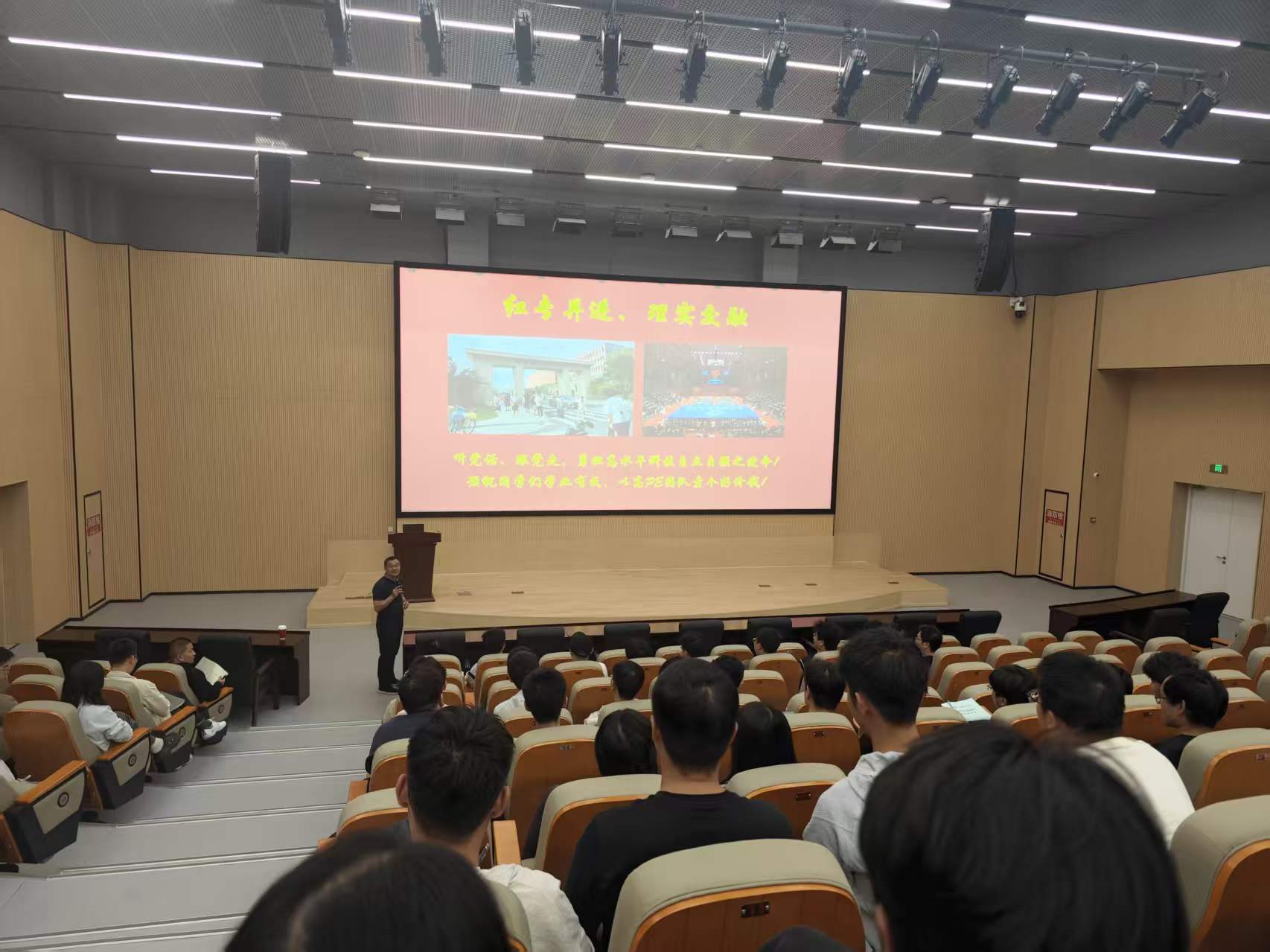
The class closely connected the University's historical traditions, research methodology, national strategic needs, and the personal development of young students. It combined broad perspectives with practical relevance to graduate research and generated extensive engagement among the faculty members and students in attendance. Students said that the class helped them gain a clearer understanding of their responsibilities in the current era and better define their goals during graduate study. They expressed their intention to carry forward USTC's tradition of serving the country through science and education, build on their expertise in polymer films, devote themselves to tackling key core technological challenges, contribute their energy and talents to the pursuit of high-level self-reliance and self-strengthening in science and technology, and strive to become scientific and technological professionals capable of contributing to national development and rejuvenation.