
On November 11, 2026, a delegation led by Xiuhua Cao, a member of the Party Committee and Vice President of Guangdong Fenghua Advanced Technology (Holding) Co., Ltd. (Fenghua), visited the Gaoxin Campus of the University of Science and Technology of China (USTC). The delegation toured the Anhui Provincial Engineering Research Center for Advanced Functional Polymer Films (the Center) and participated in a meeting on industry–academia–research collaboration. Representatives from Anhui Wanwei Updated High-Tech Material Industry Co., Ltd. (Wanwei High-Tech), together with USTC researchers, faculty members, and students, also took part in the exchange.
The visit began with a tour of the Center’s laboratory facilities, accompanied by Jungen Chen, Deputy Director of the Center. He provided the delegation with a detailed overview of the Center’s research infrastructure, principal research areas, major scientific instruments, and recent research progress. The visitors asked questions and engaged in in-depth discussions on the development and applications of polymer film materials.
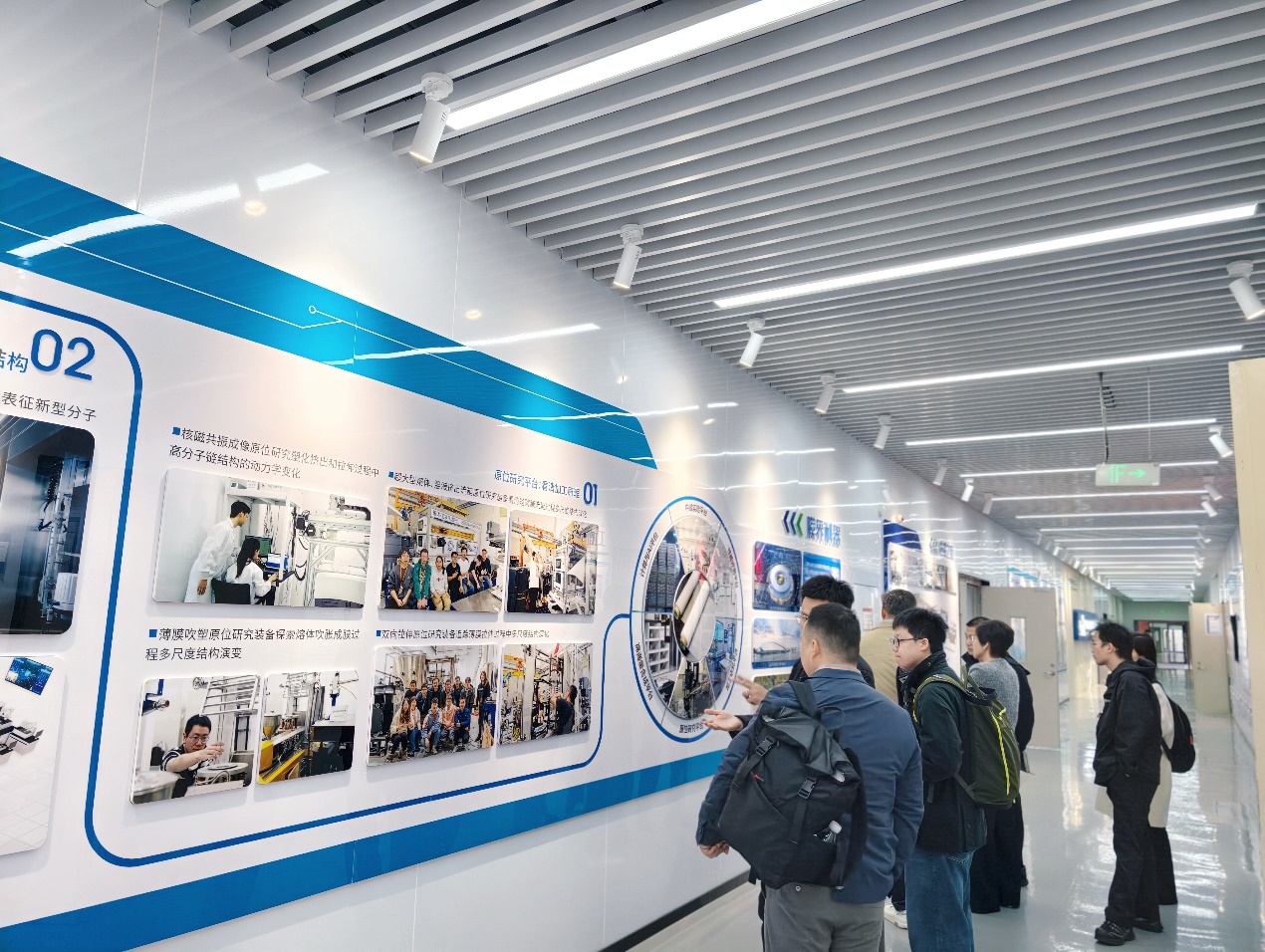
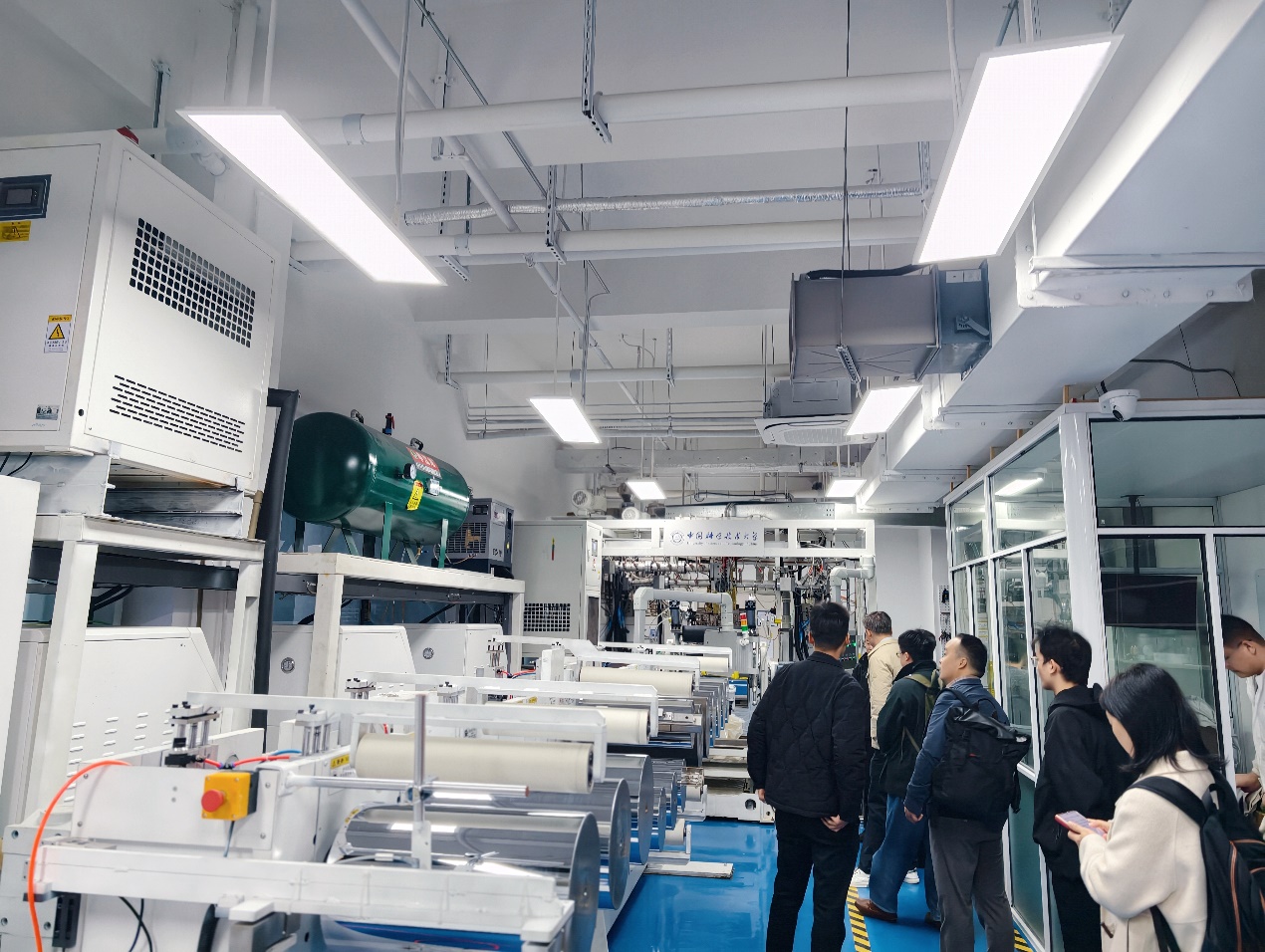
Following the tour, a meeting on industry–academia–research collaboration was held in Conference Room A111 of Academic Building 2. Professor Liangbin Li, Chief Scientist of the Center, warmly welcomed the visiting delegation and gave a comprehensive introduction to the development of relevant academic disciplines at USTC, the strengths of its research infrastructure, and its existing foundations for collaboration with industry.
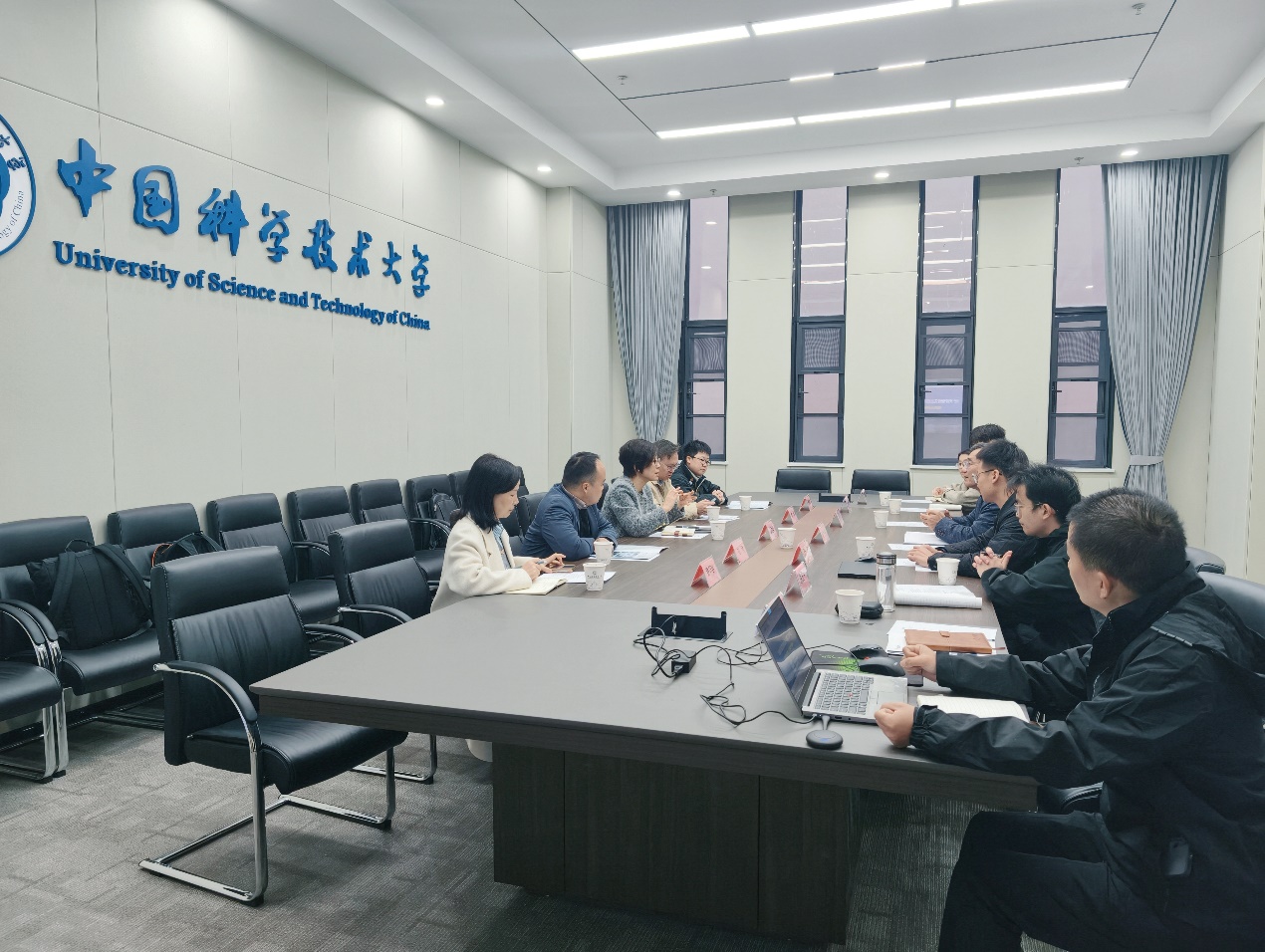
Three presentations were delivered at the meeting. Jungen Chen, Deputy Director of the Center, provided a detailed overview of the Center’s development, research priorities, progress in addressing key technical challenges, and efforts to connect research with industrial applications. Qi Yan, Deputy Director of Wanwei’s PVB plant, presented Wanwei High-Tech’s industrial operations, product portfolio, and capabilities in the research, development, and commercialization of PVB materials. USTC doctoral student Tianyi Chen reported on the research progress, experimental results, and technical investigations of relevant projects at the university.
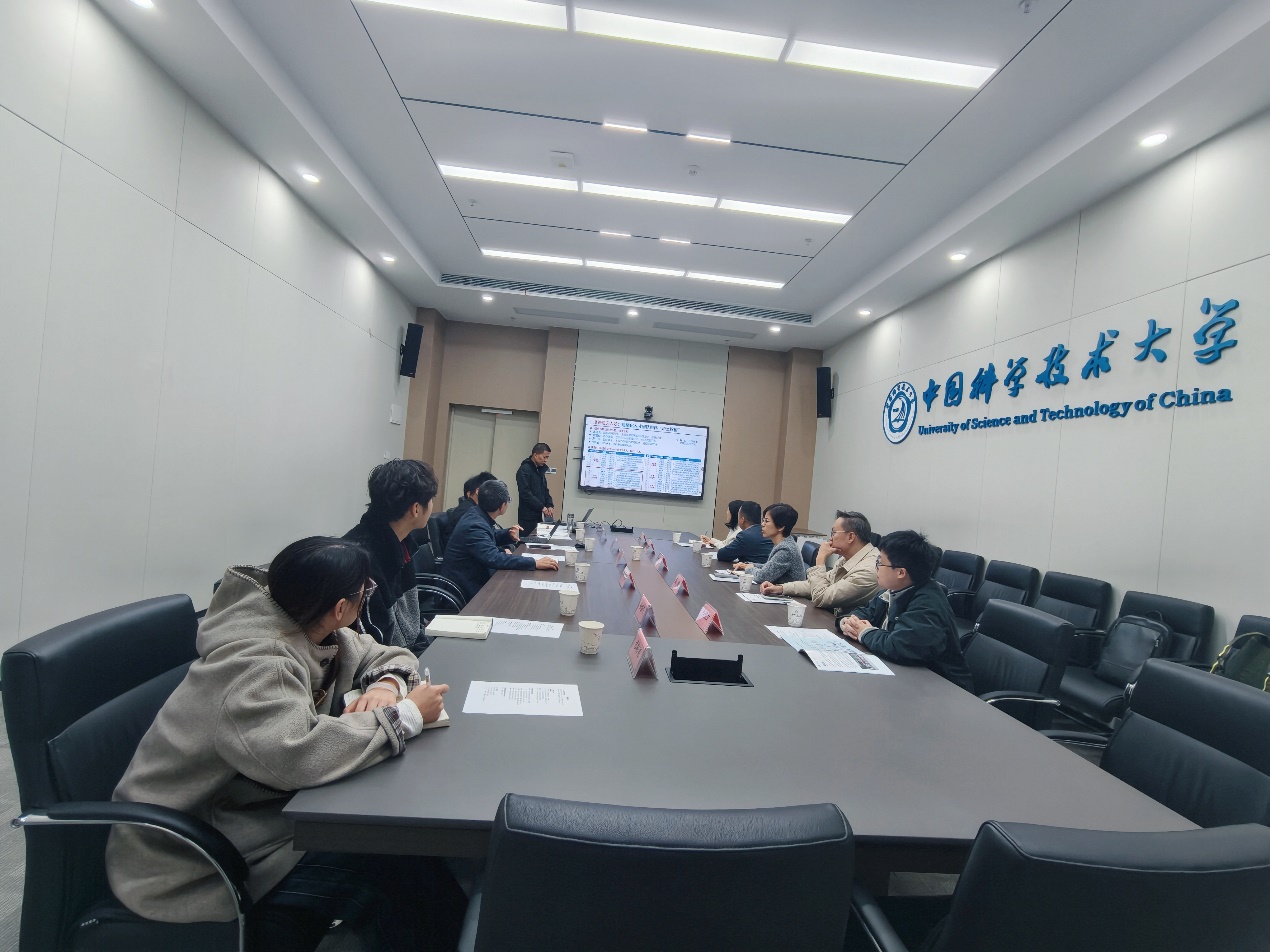
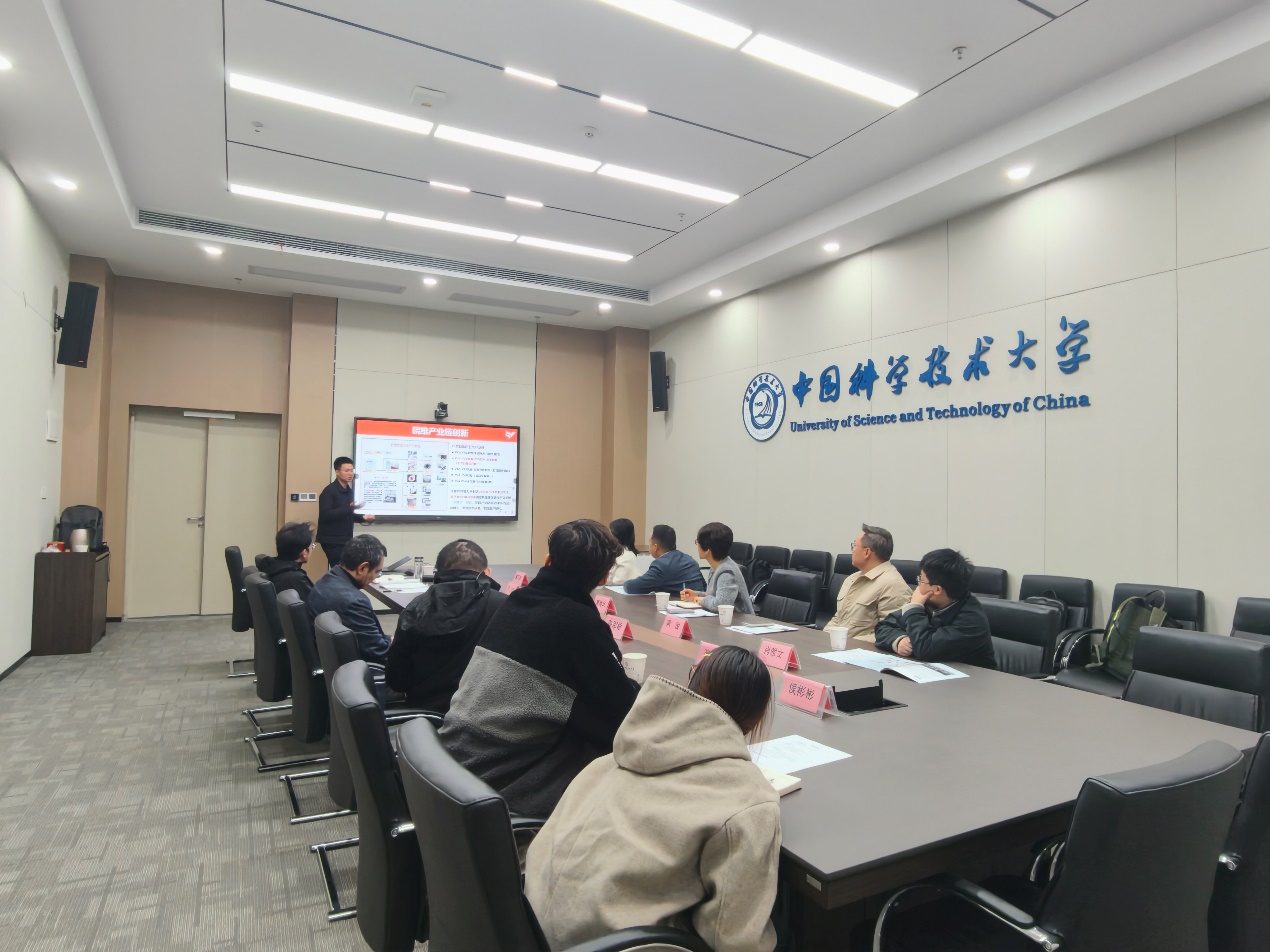
Following the presentations, participants held in-depth discussions on key technical areas, including electronic pastes, polymer films, and PVB materials. They exchanged views on current technical challenges facing industry, approaches to process optimization, mechanisms for joint research and development, and the translation and commercialization of research outcomes. They also explored opportunities for future collaboration.
The exchange strengthened mutual understanding and trust between the companies and the university. All parties expressed their intention to maintain close contact, identify areas for collaboration by drawing on their respective resources and strengths, align cutting-edge research outcomes with practical industrial needs, and work together to achieve breakthroughs and further advances in MLCC-related technologies.